
A full medical oxygen cylinder holds gas at a very high pressure, far too high to deliver directly to a patient or a medical device. A regulator sits between the cylinder and the patient circuit and does one essential job: it reduces that high, falling pressure to a lower, steady pressure that equipment can use safely. This guide explains how medical oxygen regulators work and what to consider when choosing one.
Why a regulator is needed
As a cylinder empties, its internal pressure drops steadily. Without regulation, the flow delivered to a patient would fall away as the cylinder emptied, and at the start it would be dangerously high. A regulator keeps the outlet pressure close to constant from a full cylinder to a nearly empty one, so that flowmeters, ventilators and other devices receive a predictable supply.
How a regulator works
Inside a typical pressure regulator are three key parts:
- A valve seat and poppet that open and close to let gas through from the high-pressure side.
- A diaphragm that senses the outlet pressure.
- A spring that pushes against the diaphragm and sets the target pressure.
When the outlet pressure falls below the set point, the spring pushes the diaphragm and opens the valve slightly, letting more gas through. When the outlet pressure rises, it pushes back on the diaphragm and closes the valve. This balance happens continuously, so the outlet pressure stays stable even as cylinder pressure falls and demand changes.
Single stage and double stage regulators
A single stage regulator reduces the pressure in one step. It is simple and compact, but its outlet pressure can creep up slightly as the cylinder empties. A double stage regulator reduces the pressure in two steps, first to an intermediate pressure and then to the final outlet pressure. This gives a more stable output over the full life of the cylinder, which is why double stage designs are often preferred for critical medical use and for gases such as nitrous oxide.
Regulators with flowmeters
Many medical oxygen regulators are combined with a flowmeter, so that clinicians can set the flow in litres per minute directly at the cylinder. Others feed a separate flowmeter and humidifier bottle. On a hospital pipeline system, pressure is already regulated centrally, and devices plug into wall outlets instead of cylinders.
Safety features to look for
- Gas-specific connections so that an oxygen regulator cannot be fitted to a cylinder of another gas.
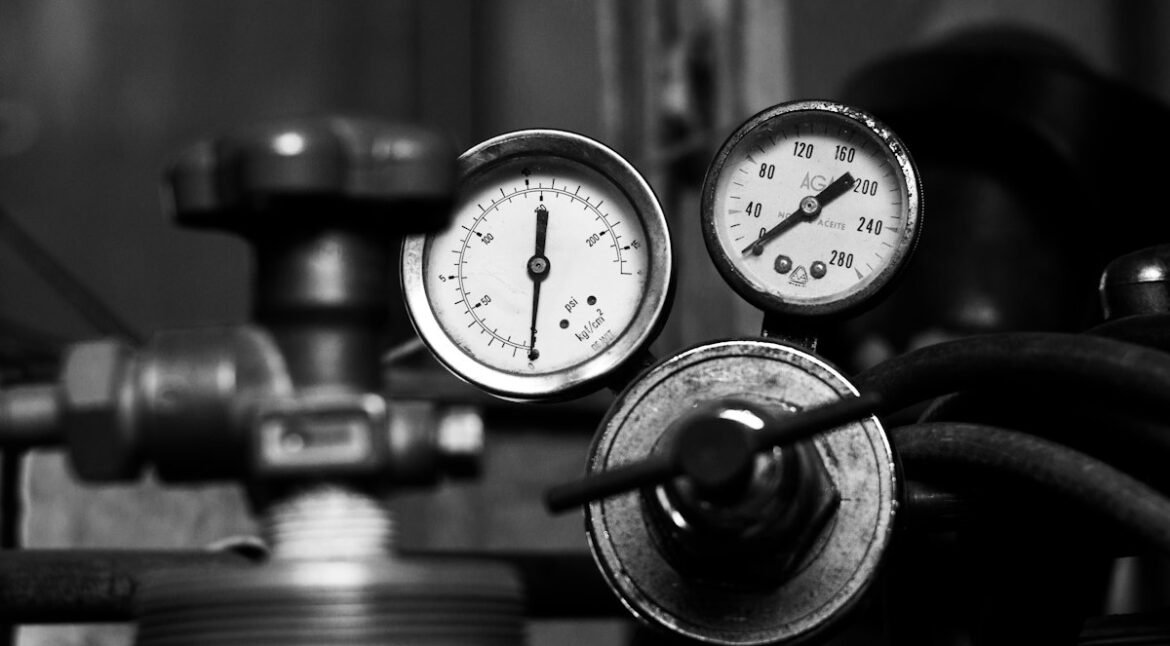
- A contents gauge showing cylinder pressure, so staff can see when a cylinder needs changing.
- A pressure relief valve that vents gas safely if the outlet pressure rises too high.
- Oxygen-compatible materials and lubricants throughout, with all parts cleaned for oxygen service.
- Clear markings and colour coding for the gas.
Handling and care
Oxygen equipment must never be handled with oily or greasy hands, and no oil or grease should ever be applied to a regulator or cylinder valve. Open the cylinder valve slowly, check for leaks after connecting, and store regulators in a clean, dry place. Regulators should be inspected and serviced at the intervals recommended by the manufacturer and the hospital’s equipment policy.
Common questions
Can one regulator be used for different gases? No. Regulators are built and cleaned for a specific gas and fitted with a gas-specific connection. Using the wrong regulator is a serious safety risk.
How long does a regulator last? With correct handling and regular servicing, a good quality regulator can stay in service for many years. Replace it if the gauge is damaged, the outlet pressure drifts or it fails a leak check.
Choosing a regulator
Match the regulator to the gas, the cylinder valve connection used in your country, the outlet pressure your equipment needs and the flow range required. Nefton Exports Industries manufactures MOX oxygen regulators and other medical gas regulators and flowmeters for hospitals. Contact us with your connection type and quantities for a quotation.