

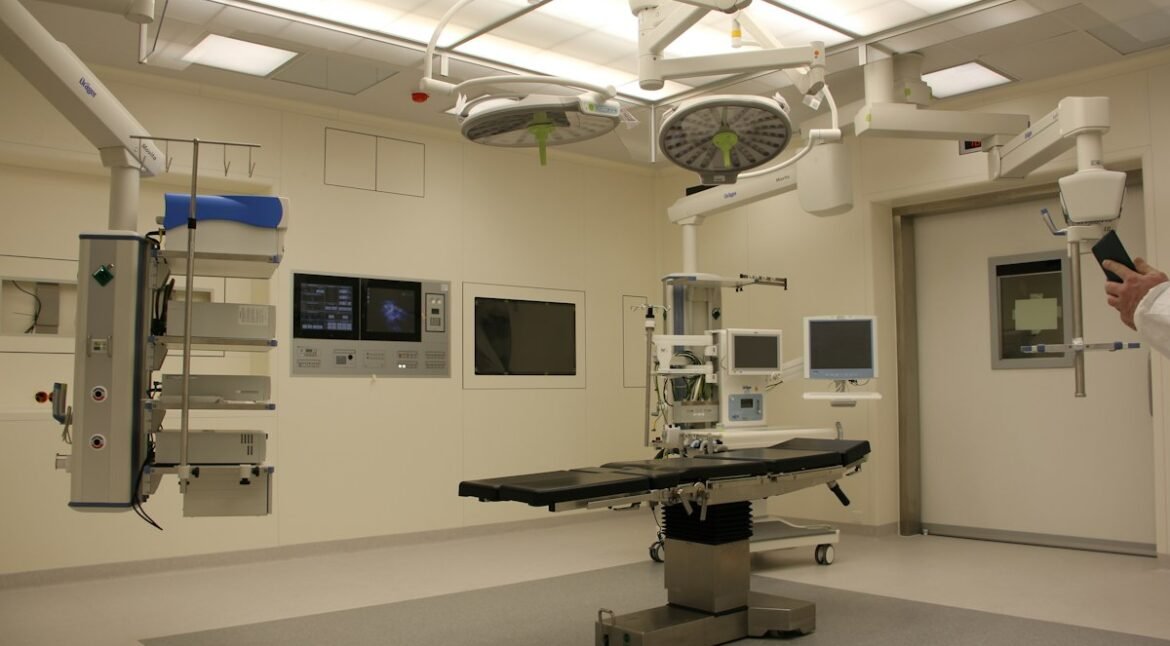
A medical gas pipeline system touches almost every clinical area in a hospital, from wards and theatres to emergency, intensive care and imaging. Planning it well at the start avoids redesign, delays and costly changes once walls and ceilings are closed. This checklist is designed for contractors, MEP engineers and project managers who are planning an MGPS for a new facility. It does not replace the applicable standards or the consultant’s design, but it helps make sure nothing important is missed.
1. Confirm the design basis
- Which standard applies: ISO 7396-1, HTM 02-01, NFPA 99 or a national standard?
- Which tube standard and size system: EN 13348 in millimetres or ASTM B819 in inches?
- Which gases are needed: oxygen, medical air, surgical air, nitrous oxide, carbon dioxide, vacuum, anaesthetic gas scavenging?
- Who is the authorising engineer or competent person who will verify the system?
2. Work out demand
- List every room and its number of terminal units per gas, from the clinical brief.
- Calculate design flows using the diversity factors in the applicable standard.
- Allow for future expansion, such as additional critical care beds.
- Identify high-demand areas such as intensive care and theatres early.
3. Plan the sources of supply
- Oxygen: liquid oxygen tank, oxygen concentrator plant, cylinder manifolds, or a combination.
- Medical air and surgical air: compressor plant or synthetic air.
- Vacuum: pump plant with appropriate redundancy.
- Duty, standby and emergency reserve supplies for every gas.
- Locations for manifold rooms, plant rooms and bulk tanks with safe access for deliveries.
4. Route the distribution network
- Plan risers and main routes with access for future maintenance.
- Coordinate with structural, electrical and HVAC services to avoid clashes.
- Locate area valve service units at the entrance to each department.
- Position alarm panels where staff will see and hear them.
- Size pipework to keep pressure drop within the limits of the standard.
5. Specify materials and equipment
- Medical grade copper tube, cleaned and capped, with test certificates.
- Copper fittings cleaned for oxygen service in matching sizes: elbows, tees, couplings and reducers.
- Terminal units suited to the country’s connector standard.
- Manifold control panels, regulators, flowmeters, humidifiers and vacuum units for each area.
- Brazing alloys and oxygen-free nitrogen for purging.
6. Plan procurement and logistics
- Build a bill of quantities from the drawings and add a sensible allowance for waste.
- Order long-lead items such as control panels and plant early.
- Arrange clean, dry, secure storage for medical gas materials on site.
- Check certificates and markings on every delivery.
7. Installation
- Use installers trained and assessed for medical gas work.
- Braze all copper joints under a nitrogen purge.
- Label pipework with gas name and flow direction at regular intervals.
- Keep open ends capped whenever work stops.
8. Testing, commissioning and handover
- Pressure and leak tests on each section.
- Cross-connection tests to prove each outlet delivers the right gas.
- Purging, particulate and gas quality tests.
- Alarm and changeover function tests.
- As-built drawings, operating manuals, certificates and staff training at handover.
9. Plan for operation and maintenance
- Agree who owns the system after handover and who holds the permit-to-work for medical gas.
- Set up a planned maintenance schedule for plant, panels, alarms, valves and terminal units.
- Keep a stock of critical spares such as regulators, flowmeters and terminal unit parts.
- Train estates staff and nominate competent persons for day-to-day operation.
Common pitfalls
The most frequent problems are late design changes that add outlets without resizing pipework, substitution of non-medical tube or fittings, poor storage that lets dirt into materials, and missing documentation at handover. A clear plan and a reliable supply chain avoid all four.
Supplying your project
Nefton Exports Industries supplies medical grade copper tubes, copper fittings, control panels, oxygen regulators, flowmeters and vacuum units for hospital projects. Send us your bill of quantities for a consolidated quotation.