

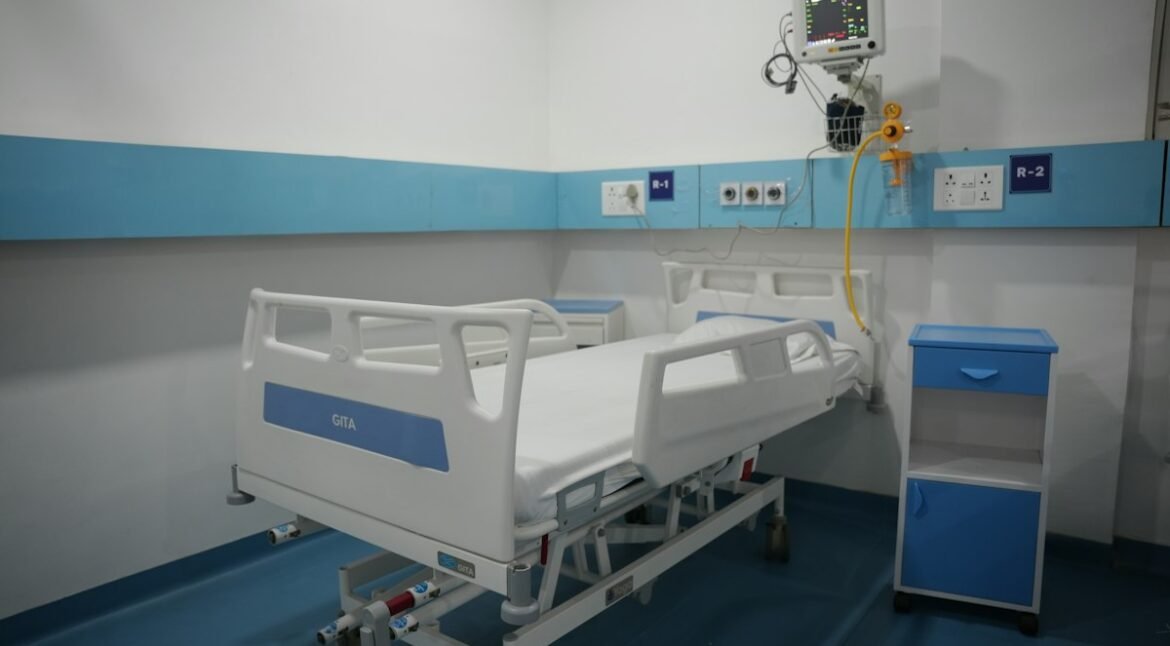
At most hospital bedsides, oxygen therapy is delivered through a small, familiar device: a flowmeter with a clear tube and floating ball, often with a water-filled humidifier bottle hanging beneath it. It looks simple, but it does two important jobs. It lets clinicians set an accurate oxygen flow, and it adds moisture so that the gas is more comfortable for the patient to breathe. This guide explains how BPC flowmeters with humidifier bottles work and how to choose them.
The BPC flowmeter at a glance
A BPC flowmeter is a float-type oxygen flowmeter with a flow-indicating ball, designed to be plugged into a wall outlet on a hospital pipeline or fitted to a cylinder regulator. The key feature is a transparent, tapered tube with the ball inside. As oxygen flows up the tube, the float rises. The higher the flow, the higher it sits, and the clinician reads the flow rate in litres per minute against the scale printed on the tube.
How the flowmeter works
Oxygen enters the base of the flowmeter at the pipeline or regulated cylinder pressure. A needle valve controlled by a knob lets the clinician increase or decrease the flow. The gas passes up through the tapered tube, lifting the float until the upward force of the gas balances the weight of the float. Because the tube is wider at the top, more flow is needed to lift the float higher, which gives a readable, roughly linear scale.
Flowmeters are made in different ranges. A standard adult range might cover 0 to 15 litres per minute, while low-flow versions with finer graduations are used for neonatal and paediatric care. Choosing the right range makes it easier to set small flows accurately.
Why humidification matters
Medical oxygen from a pipeline or cylinder is very dry. Breathing dry gas for long periods can dry the nose, mouth and airways, causing discomfort, irritation and thicker secretions. The humidifier bottle solves this by bubbling the oxygen through sterile water before it reaches the patient. The gas picks up moisture on the way, making longer periods of oxygen therapy more comfortable.
Parts of a flowmeter and humidifier set
- Probe or connector that fits the wall outlet or regulator.
- Flow tube and float showing the flow rate.
- Control knob with a needle valve for fine adjustment.
- Humidifier bottle filled with sterile water up to the marked level.
- Outlet nipple for the patient tubing, nasal cannula or mask.
- Safety relief in the humidifier that vents if the outlet is blocked.
Buying checklist
- The connector matches the oxygen outlets used in your hospital.
- The flow range suits the patient group: adult, paediatric or neonatal.
- The scale is clear, accurate and easy to read at a glance.
- The flow tube is made from tough, transparent material that resists cracking.
- The humidifier bottle has clear minimum and maximum water level marks.
- All parts in contact with oxygen are cleaned for oxygen service.
- Each batch comes with test documentation.
Safe use and maintenance
Fill the humidifier only with sterile or distilled water and keep it between the marked levels. Change the water and clean or replace the bottle as directed by the hospital’s infection control policy, since stagnant water can harbour bacteria. Read the flow at the centre of the ball and check regularly that the float moves freely. Remove any flowmeter with a cracked tube, sticking float or leaking connection from service.
Never use oil or grease on oxygen equipment, and keep flowmeters away from open flames and heat sources.
Sourcing flowmeters
Nefton Exports Industries manufactures the Nefton BPC flowmeter with humidifier bottle for hospital wards and oxygen therapy. Send us your connector type and quantities for a quotation.