
India is one of the world’s major producers of copper, steel and engineered metal products, and many buyers in the Middle East, Africa, Europe and Asia source from Indian manufacturers. If you have not imported from India before, the process can seem complicated. In practice, it follows a clear sequence. This guide walks through each step, from your first enquiry to receiving goods at your site.
Step 1: Prepare a clear enquiry
The quality of the quotation you receive depends on the quality of your enquiry. Include:
- Product names, sizes, grades and the standards they must meet.
- Quantities per item, ideally as a bill of quantities or schedule.
- Required certification, such as a 3.1 inspection certificate.
- Any special requirements: cleaning for oxygen service, marking, packing or third-party inspection.
- Your delivery port or destination and the delivery terms you prefer.
- Your target delivery date.
Step 2: Review the quotation
A good quotation states unit prices, total value, the Incoterm (for example FOB Nhava Sheva or CIF Jebel Ali), payment terms, production lead time and validity. Check that every item matches your specification and that certificates and testing are included. If anything is unclear, ask before you place the order. It is far easier to correct a quotation than a shipment.
Step 3: Confirm the order
Once you accept the quotation, the supplier usually issues a proforma invoice. This lists the agreed items, prices, terms and bank details. Your purchase order and the proforma should match exactly. Agree on drawings or samples at this stage if the products are custom-made.
Step 4: Arrange payment
Common payment methods for export orders include:
- Advance payment by bank transfer, in full or as a deposit with the balance before shipment.
- Letter of credit, where the buyer’s bank guarantees payment once the supplier presents the agreed shipping documents.
- Documents against payment, where the buyer pays to receive the documents needed to clear the goods.
Choose a method that suits the order value and your relationship with the supplier, and always verify bank details directly with the supplier by phone before transferring money.
Step 5: Production and inspection
During production, the supplier manufactures, tests and prepares certificates. If your project requires it, a third-party inspector can witness tests and inspect goods before dispatch. Ask for photos of finished goods and packing if you cannot attend in person.
Step 6: Packing and shipping
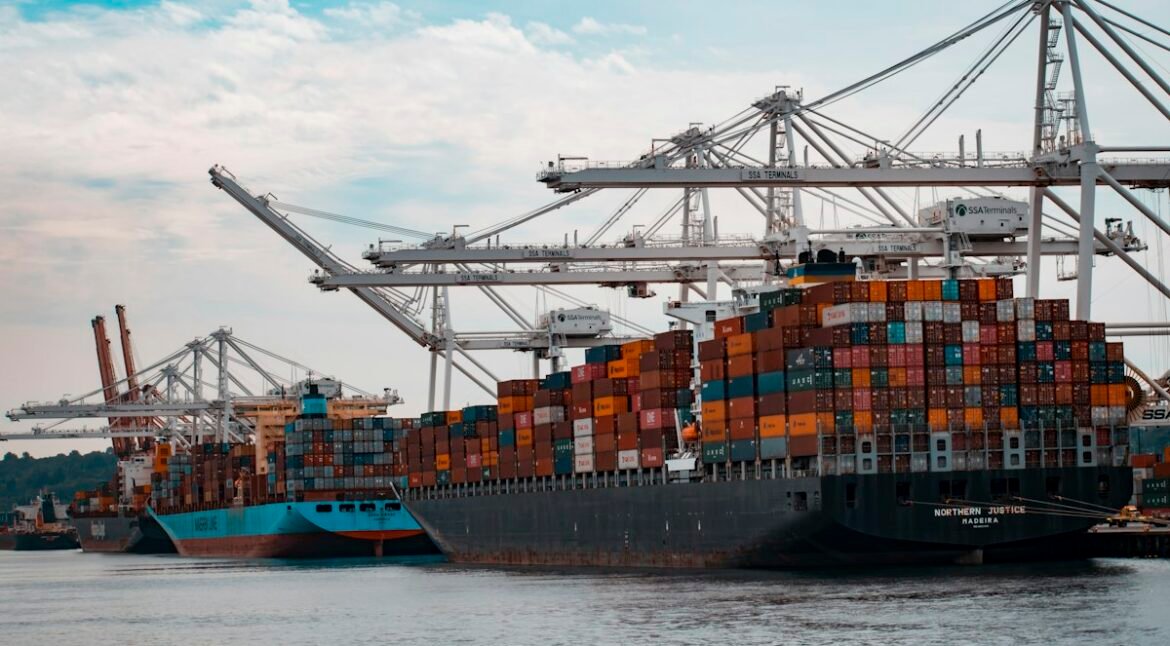
Metal products need packing that protects them in transit: capped tube ends, bundles strapped and wrapped, fittings boxed, and heavier items in wooden cases or crates on pallets. Medical gas tube and fittings should remain sealed. Depending on the Incoterm, either you or the supplier books freight with a shipping line or forwarder.
Step 7: Shipping documents
Typical export documents include the commercial invoice, packing list, bill of lading or airway bill, certificate of origin and test certificates. Your customs broker will need these to clear the goods. Check them carefully for consistency with your order and letter of credit if one is used.
Step 8: Customs clearance and delivery
Your customs broker files the import declaration, pays duties and taxes, and arranges release of the goods. Then they are delivered to your warehouse or site. On arrival, inspect the goods, compare heat numbers with the certificates, and report any damage or shortage promptly.
Tips for a smooth first order
- Start with a clear specification and keep all agreements in writing.
- Allow realistic lead times for manufacturing and sea freight.
- Ask for references, certifications and sample certificates.
- Keep one point of contact on each side to avoid confusion.
Order from Nefton Exports
Nefton Exports Industries is an ISO 9001:2015 certified manufacturer and exporter based in Mumbai, supplying copper, steel and medical gas products to customers worldwide. Send us your enquiry and we will guide you through each step.