

A hospital’s medical gas system has to keep running while parts of it are maintained, extended or repaired, and staff need to know immediately if anything goes wrong. Two groups of components make this possible: area valve service units, which let sections of the system be isolated safely, and alarm systems, which warn when pressure or supply moves outside safe limits. This guide explains how they work.
Area valve service units (AVSUs)
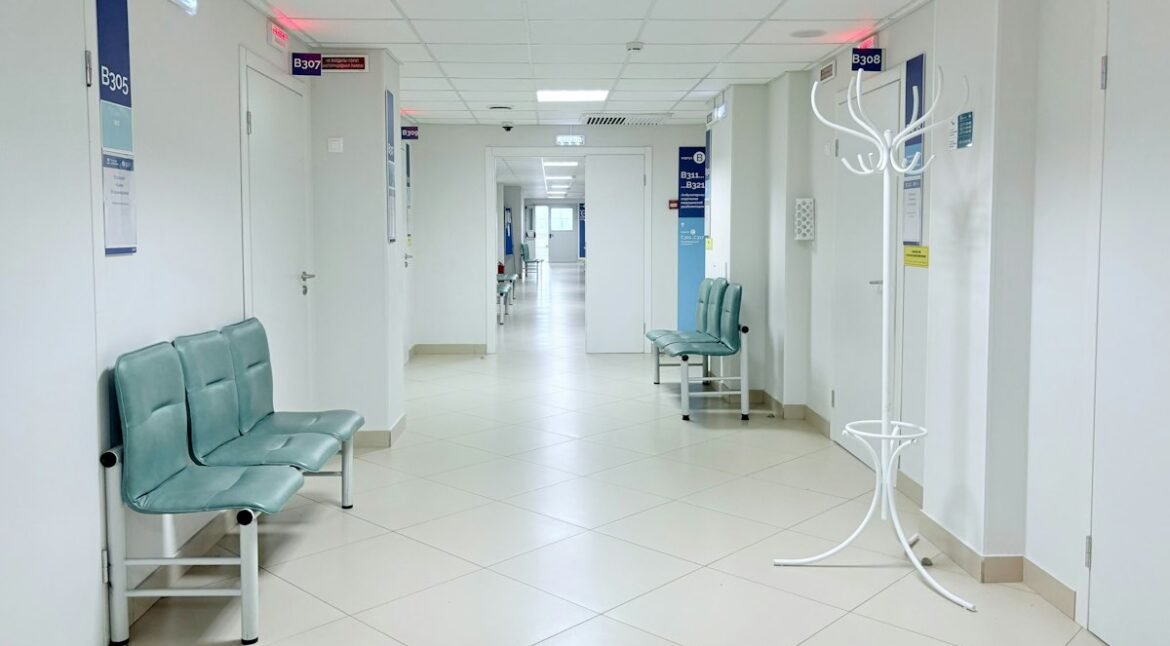
An area valve service unit is a lockable box containing isolation valves for each gas serving a department or zone, such as a ward, an intensive care unit or a theatre suite. AVSUs are usually located at the entrance to the area they serve, in a corridor, where they are easy to find in an emergency.
Their main purposes are:
- Emergency isolation: in the event of a fire, a major leak or a pipe failure, staff or engineers can shut off gas to one area without affecting the rest of the hospital.
- Maintenance and modification: engineers can isolate a zone to carry out work, extend pipework or replace terminal units.
- Emergency supply: many AVSUs include a connection point through which an emergency supply, such as cylinders, can be fed into the area if the main supply is interrupted.
AVSUs normally have a glazed or breakable front so that valves can be reached quickly, with each valve clearly labelled with the gas and the area it serves. Valves are kept locked open during normal operation to prevent accidental closure.
Line valves
As well as AVSUs, the system includes line valves on main pipe runs, such as risers and branches. These are normally located in plant rooms, ceiling voids or service ducts, and are used by engineers rather than clinical staff.
Medical gas alarm systems
Alarm systems monitor pressures and supply status and warn staff when something needs attention. Different standards organise alarms in different ways, but most systems include these levels:
Plant or source alarms
These monitor the sources of supply, such as the oxygen tank, compressor plant, vacuum plant or cylinder manifolds. They warn when a source changes over to standby, when reserve levels fall, or when plant faults occur.
Central or master alarms
Located where they will be seen at all times, such as a switchboard or engineering control room, these repeat key alarms so that someone responsible is always alerted.
Area or local alarms
Located in clinical areas, often next to the nurses’ station, these monitor the pipeline pressure in that area. They warn staff if pressure rises too high or falls too low, for example because of a leak, a closed valve or excessive demand.
What alarms show
Alarm panels typically show a normal status light for each gas, with visual and audible warnings for high and low pressure and other faults. A mute button silences the audible alarm while the visual warning remains until the fault is cleared.
Good practice
- Locate AVSUs and area alarms where staff can easily see and reach them.
- Label every valve and alarm clearly with the gas and the area served.
- Include AVSU locations and isolation procedures in staff training.
- Test alarms regularly and record the results.
- Control access to isolation valves through a permit-to-work system.
Responding to an alarm
Every hospital should have a written procedure for medical gas alarms. Typically, ward staff acknowledge the alarm, check patients who depend on the affected gas, and contact the estates or engineering team immediately. Engineers then identify the cause, such as a source changeover, a closed valve or a leak, and restore normal supply. Staff should know where portable cylinders are kept in case an area needs emergency supply.
Supplying your project
Nefton Exports Industries supplies copper tubes, fittings, control panels and medical gas equipment for hospital pipeline systems. Contact us for a quotation.